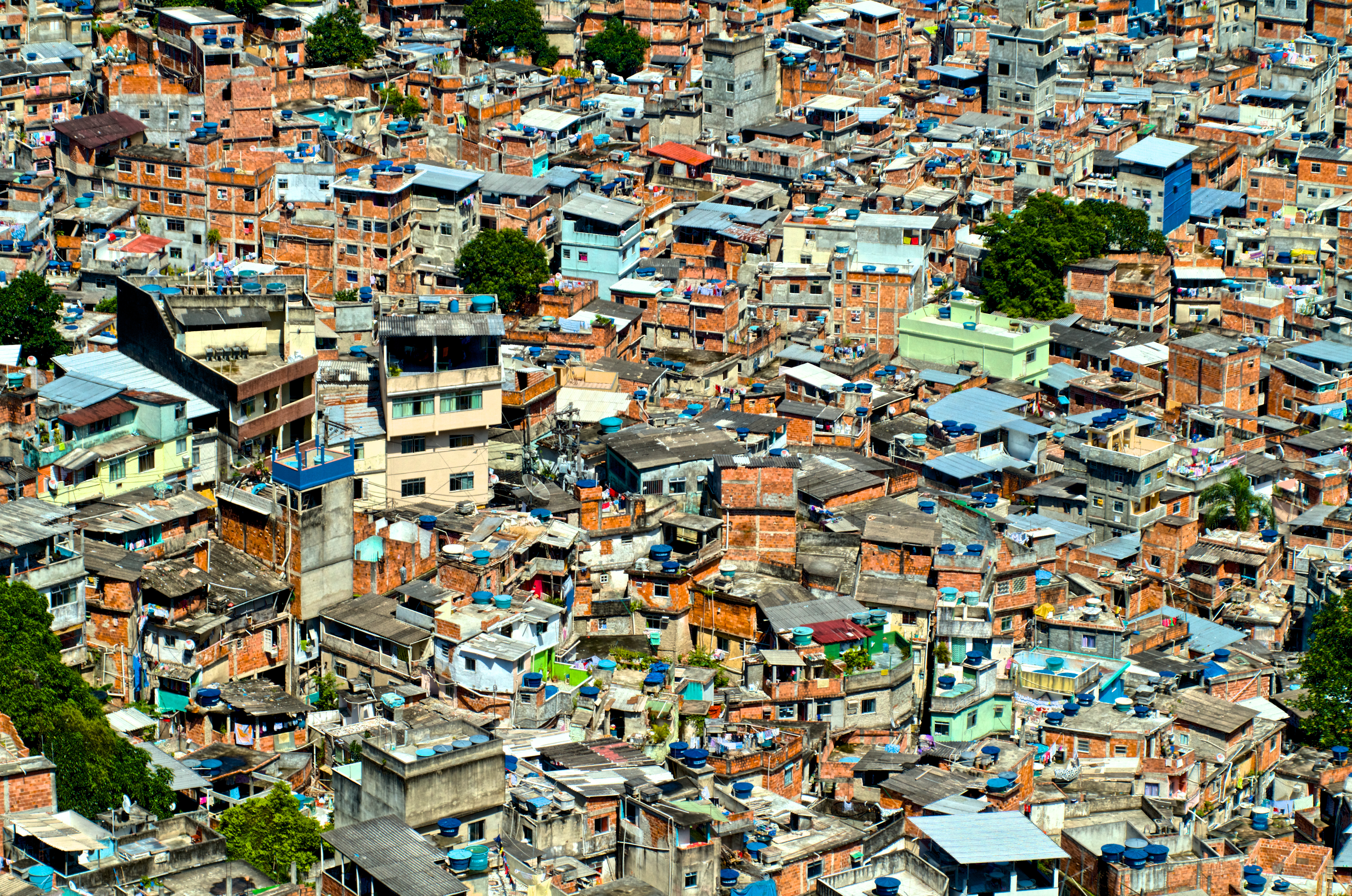
Image Source : citiesalliance.org
Introduction
The Registrar General of India and Census Commissioner recently emphasized the importance of retaining the 2011 definition of urban areas for the 2021 Census, while acknowledging concerns that it may not fully capture the evolving nature of settlements. The letter noted that several census towns, which meet criteria related to population, density, and non-agricultural employment, continue to be administered under rural governance. This gap between official classification and functional characteristics has highlighted the need to examine how urbanisation is identified and recorded in India.
Urbanisation in India is gradually transforming many villages and rural settlements into towns in terms of population density, economic activity, and lifestyle. Although these areas increasingly resemble urban centres, the current binary classification of rural and urban does not fully account for transitional settlements. This limitation can affect governance, planning, and the allocation of infrastructure and services, indicating the need to review the criteria for defining urban areas.
Historical Aspects of Urbanisation in India
-
Ancient Period (Before 6th Century CE):
-
Urban settlements emerged as centres of trade, administration, and culture.
-
Examples include Mohenjo-daro and Harappa of the Indus Valley Civilization.
-
These settlements featured planned streets, drainage systems, and organised trade networks.
-
-
Classical and Medieval Period (6th – 16th Century CE):
-
Cities developed around administrative centres, forts, and religious sites.
-
Notable examples include Pataliputra, Varanasi, Delhi, and Ahmadabad.
-
Urban growth was driven by administrative needs, trade, and cultural activities.
-
Local markets, craft clusters, and artisanal settlements were common.
-
-
Colonial Period (17th – Mid 20th Century):
-
Urbanisation became concentrated in port cities and colonial administrative centres.
-
Cities such as Mumbai, Kolkata, and Chennai expanded due to trade, railways, and industry.
-
Industrial towns and labour settlements developed alongside administrative planning.
-
-
Post-Independence Era (1947 – 1980s):
-
Urbanisation expanded with the development of industrial and mining towns, regional capitals, and new towns.
-
Migration from rural areas contributed to the growth of cities.
-
Focus was on planned industrial centres such as Durgapur, Bhilai, and Jamshedpur.
-
-
Liberalisation and Modern Era (1991 – Present):
-
Economic reforms, growth of the service sector, and infrastructure development accelerated urbanisation.
-
Many peri-urban and census towns emerged, showing urban characteristics while remaining under rural governance.
-
Urban expansion often outpaces formal recognition, leading to gaps in infrastructure, planning, and service delivery.
-
Changes in livelihoods, including informal and gig-economy work, have blurred the traditional rural-urban distinction.
Current Status – 2011 Census
Definition of Urbanisation (as per Census of India, 2011):
Urbanisation refers to the process by which an area develops urban characteristics, and people shift from rural to urban lifestyles. According to the Census, an urban area is classified as either:
-
Statutory towns: Places with a municipality, corporation, cantonment board, or notified town area committee.
-
Census towns: Settlements that meet all three criteria:
-
Population of 5,000 or more
-
At least 75% of the male main working population engaged in non-agricultural activities
-
Population density of at least 400 persons per square kilometre
-
Urban Population in 2011:
-
India’s total population was 1,210,854,977.
-
Approximately 377 million people (31.1%) resided in urban areas.
-
The remaining 834 million people (68.9%) lived in rural areas.
Census Towns and Urban Agglomerations:
-
There were 3,894 census towns in 2011, up from 1,362 in 2001.
-
The census recorded 468 urban agglomerations, which are continuous urban areas comprising a city and its surrounding suburbs.
State-wise Urbanisation:
-
Urbanisation levels varied significantly across states. For example, Goa had the highest urban population percentage at 62.2%, while Bihar had the lowest at 11.3%.
Urban Growth:
-
The decadal growth rate of the urban population was 31.8%, compared to the rural growth rate of 12.2%, indicating a steady trend toward increasing urbanisation.
Significance of Urbanisation
-
Economic Development:
-
Urban areas contribute significantly to India’s GDP. As of 2011, urban regions accounted for over 60% of national income, despite comprising only 31% of the population.
-
Cities serve as centres for industries, services, trade, and commerce, creating employment opportunities beyond agriculture.
-
-
Employment Opportunities:
-
Urbanisation facilitates growth in manufacturing, services, and informal sectors.
-
Census towns and small urban centres provide livelihoods to populations transitioning from agriculture, supporting both formal and informal economies.
-
-
Infrastructure and Amenities:
-
Urban areas generally have better access to education, healthcare, water supply, sanitation, and electricity compared to rural areas.
-
For example, literacy rates in urban areas were 84.97% in 2011, compared to 68.91% in rural areas.
-
-
Social and Cultural Integration:
-
Cities bring together diverse populations, promoting cultural exchange, social mobility, and exposure to modern lifestyles.
-
-
Innovation and Technology:
-
Urban centres act as hubs for technology adoption, research, and innovation, driving overall socio-economic progress.
-
-
Challenges Addressed by Urbanisation:
-
Migration to urban areas can reduce pressure on rural resources and diversify income sources for households.
-
Properly planned urbanisation can improve living standards, public services, and quality of life for growing populations.
Challenges of Urbanisation in India
Urbanisation in India is increasing rapidly, but it faces several structural, social, and economic challenges. These challenges affect governance, infrastructure, environment, and quality of life.
1. Governance and Administrative Challenges
-
Census Towns under Rural Governance:
-
Out of 3,894 census towns in 2011, many continue to be governed by rural local bodies.
-
Example: In West Bengal, 235 census towns identified in 2004 had no change in governance status by 2011.
-
-
Limited Autonomy of Urban Local Bodies (ULBs):
-
ULBs often rely on state and central funding, restricting independent planning and resource allocation.
-
Many small towns lack professional administrative structures.
-
-
Fragmentation:
-
Urban sprawl crosses administrative boundaries, creating planning difficulties for transport, water, and waste management.
-
2. Infrastructure and Service Delivery Challenges
-
Housing and Slums:
-
Rapid urban population growth has increased demand for affordable housing.
-
As per 2011 Census, over 65 million people (17% of urban population) live in slums.
-
-
Water Supply and Sanitation:
-
Many towns face inadequate piped water supply and sewerage facilities.
-
About 26% of urban households did not have access to proper sanitation in 2011.
-
-
Transportation:
-
Congestion and lack of integrated public transport are widespread in small and medium towns.
-
Peri-urban areas often remain poorly connected, limiting economic opportunities.
-
3. Environmental Challenges
-
Air and Water Pollution:
-
Urbanisation contributes to increasing air pollution; 22 of India’s 30 most polluted cities in 2019 were urban centres.
-
Unplanned settlements near rivers and water bodies degrade water quality.
-
-
Green Spaces and Biodiversity:
-
Expansion of towns reduces green cover and affects local ecosystems.
-
Urban sprawl often encroaches on agricultural land, wetlands, and forests.
-
-
Waste Management:
-
Municipal solid waste generation in India is over 62 million tonnes per year, with only 43% being treated or processed.
-
4. Socio-Economic Challenges
-
Employment and Livelihoods:
-
Migration from rural areas increases pressure on urban labour markets.
-
Many workers are employed in informal sectors with low job security.
-
-
Gender Disparities:
-
Urban policies often overlook women’s informal and unpaid work.
-
Female labour participation in urban areas is around 25–30%, lower than male participation.
-
-
Social Inequality:
-
Inequitable access to housing, education, and healthcare is common in rapidly growing towns.
-
5. Data and Planning Challenges
-
Underestimation of Urban Population:
-
Due to rigid criteria (population ≥5,000, 75% male non-agricultural workforce), many urban-like settlements remain classified as rural.
-
Research suggests India’s urban population in 2011 could have been 35–57% instead of the official 31%.
-
-
Limited Monitoring of Transitional Settlements:
-
Peri-urban areas and informal clusters are not fully captured in official data, leading to gaps in infrastructure and services.
Government Efforts to Manage Urbanisation
-
Smart Cities Mission (2015):
-
Develops 100 cities with modern infrastructure, sustainable solutions, and efficient urban services.
-
-
Atal Mission for Rejuvenation and Urban Transformation (AMRUT, 2015):
-
Covers 500 cities to improve water supply, sewerage, drainage, and green spaces.
-
-
Pradhan Mantri Awas Yojana (Urban, 2015):
-
Aims to provide affordable housing for all by 2030, especially for urban poor.
-
-
National Urban Livelihoods Mission (NULM):
-
Supports skill development, self-employment, and micro-enterprises for urban poor.
-
-
Swachh Bharat Mission (Urban, 2014):
-
Focuses on solid waste management, sanitation, and clean cities.
-
-
Urban Infrastructure Development Scheme for Small and Medium Towns :
-
Provides financial assistance for roads, drainage, water supply, and sewerage in towns.
-
-
Smart City Challenge Fund (Urban Transport & Mobility):
-
Promotes sustainable public transport, e-buses, and metro projects in cities.
-
-
National Urban Health Mission (NUHM):
-
Strengthens healthcare delivery in urban slums and underserved areas.
-
-
Heritage City Development and Augmentation Yojana (HRIDAY, 2015):
-
Preserves urban heritage while improving infrastructure in historic cities.
-
-
Urban Governance and Capacity Building Programs:
-
Includes training for municipal staff, financial reforms, and digital governance platforms to improve planning and service delivery.
-
-
National Electric Mobility Mission (Urban Focus):
-
Promotes electric mobility solutions in cities to reduce pollution and traffic congestion.
-
-
Regional and Sub-Metropolitan Planning Schemes:
-
Encourages integrated planning of peri-urban and satellite towns to manage urban sprawl effectively.
Best Global Practices in Urbanisation
-
Singapore – Integrated Urban Planning:
-
Comprehensive land-use planning with strict zoning regulations.
-
Efficient public transport and well-maintained green spaces.
-
Emphasis on sustainable water, energy, and housing management.
-
-
Japan – Mixed-Use Urban Development:
-
Encourages residential, commercial, and industrial integration within cities.
-
Promotes efficient public transport, walkability, and reduced urban sprawl.
-
-
Germany – Decentralised Municipal Governance:
-
Municipalities have financial autonomy and local decision-making powers.
-
Enables better urban planning, resource allocation, and citizen participation.
-
-
Brazil – Regularisation of Informal Settlements:
-
Participatory approaches to upgrade slums and integrate them into municipal planning.
-
Focus on infrastructure provision, tenure security, and community engagement.
-
-
Netherlands – Water-Sensitive Urban Design:
-
Urban development integrated with flood control and water management systems.
-
Ensures resilience to climate change and environmental sustainability.
-
-
South Korea – Smart City Initiatives:
-
Digital solutions for traffic management, energy use, and public services.
-
Enhances efficiency, reduces congestion, and improves urban living standards.
-
-
Canada – Transit-Oriented Development:
-
Urban growth concentrated around public transport hubs to reduce congestion.
-
Promotes affordable housing and mixed-use developments near transit corridors.
-
-
United States – Metropolitan Planning Organisations (MPOs):
-
Regional planning bodies coordinate transportation, infrastructure, and land-use policies across multiple jurisdictions.
-
Helps manage peri-urban expansion and urban sprawl.
-
-
Australia – Green Infrastructure Policies:
-
Urban planning integrates parks, open spaces, and ecological corridors.
-
Ensures environmental sustainability alongside urban growth.
-
-
China – High-Density, Mixed-Use Cities:
-
Focus on compact urban design, mass transit, and efficient land use.
-
Promotes economic activity while reducing commuting times and congestion.
Way Forward for Urbanisation in India
Urbanisation in India requires a combination of policy reforms, governance improvements, and adoption of sustainable practices. Lessons can be drawn from both global experiences and successful state-level initiatives.
1. Revise Urban Definitions
-
Expand the criteria for classifying urban areas beyond the population of 5,000 and 75% male non-agricultural workforce, to include functional urbanisation, peri-urban settlements, and mixed occupations.
-
This will ensure that rapidly urbanising villages and census towns are recognised for planning and resource allocation.
2. Municipalisation and Governance Reform
-
Convert census towns into statutory towns with elected urban local bodies (ULBs) to improve autonomy and service delivery.
-
Example: Maharashtra has initiated the Gramin to Nagar Panchayat conversion program, upgrading several urban-like villages into statutory towns.
-
Strengthen ULB capacity through training, financial autonomy, and digital governance tools.
3. Integrated Urban Planning
-
Develop peri-urban and regional planning frameworks to manage urban sprawl and coordinate infrastructure.
-
Example: Karnataka’s Bangalore Metropolitan Region Development Authority (BMRDA) implements regional planning to manage growth in surrounding areas.
-
Encourage mixed-use development, public transport integration, and compact urban design.
4. Infrastructure and Housing
-
Provide affordable housing, water supply, sanitation, and waste management in rapidly growing towns.
-
Example: Tamil Nadu’s Affordable Housing Scheme and Kerala’s urban sanitation programs have improved living conditions in small towns and peri-urban areas.
5. Gender-Inclusive Urbanisation
-
Include women’s informal work and seasonal livelihoods in urban planning.
-
Promote safety, mobility, and access to employment in urban and semi-urban areas.
-
Example: Delhi’s Mahila Housing SEWA program focuses on empowering women in urban housing and livelihood initiatives.
6. Sustainable and Climate-Resilient Cities
-
Encourage green infrastructure, water-sensitive urban design, and low-carbon transport systems.
-
Example: Pune’s Climate Smart City initiatives include energy-efficient street lighting, solar power, and improved public transport.
-
Focus on urban forestry, parks, and ecological corridors in expanding towns.
7. Data-Driven Planning
-
Use satellite imagery, GIS mapping, and mobility patterns to accurately map urban settlements.
-
Monitor peri-urban growth and informal clusters for better infrastructure allocation and service delivery.
8. Learning from Global Practices
-
Adapt integrated planning from Singapore, slum regularisation from Brazil, and regional transport planning from the US.
-
Combine global lessons with local innovations in Indian states for scalable solutions.
9. Encouraging Public-Private Partnerships (PPP)
-
Collaborate with private sector for urban infrastructure, smart solutions, and housing projects.
-
Example: Madhya Pradesh’s PPP model for smart water supply in Indore has improved urban service efficiency.
10. Strengthening Urban Finance
-
Increase municipal revenue through property taxes, user charges, and state transfers.
-
Ensure efficient fund utilisation for infrastructure and social services.
-
Example: Gujarat’s municipal finance reforms have enhanced urban local body capacity and accountability.
Conclusion
India’s urbanisation is a dynamic process that requires careful planning, governance, and policy support. Reports such as the National Commission on Urbanisation (1988), the Expert Committee on Census 2021 Urban Definitions, and indices like the Urban Sustainability Index highlight the need for a more inclusive approach to defining and managing urban areas. Many census towns, despite exhibiting urban characteristics, remain under rural governance, creating gaps in infrastructure, services, and resource allocation. Addressing these gaps is essential to ensure that rapidly urbanising settlements are integrated into the formal urban framework, with access to housing, sanitation, transport, and livelihoods.
Global initiatives such as C40 Cities and guidance from UN-Habitat emphasise sustainable, inclusive, and climate-resilient urbanisation. Key recommendations include strengthening municipal capacity, participatory planning, and implementing green and smart infrastructure. By learning from global best practices and successful Indian state initiatives, India can develop towns and cities that support population growth while promoting economic development, social equity, and environmental sustainability. A forward-looking urban policy framework will help ensure that India’s urban centres evolve in a manner that benefits all citizens.
Comments
Post a Comment