
Image Source: vedantu.com
Introduction
The celebration of Onam recently made news for various reasons, drawing attention to Kerala’s cultural traditions, community participation, and social harmony. While Onam highlights the role of festivals in fostering inclusivity at the regional level, it also provides an entry point to understanding the broader significance of festivals across India.
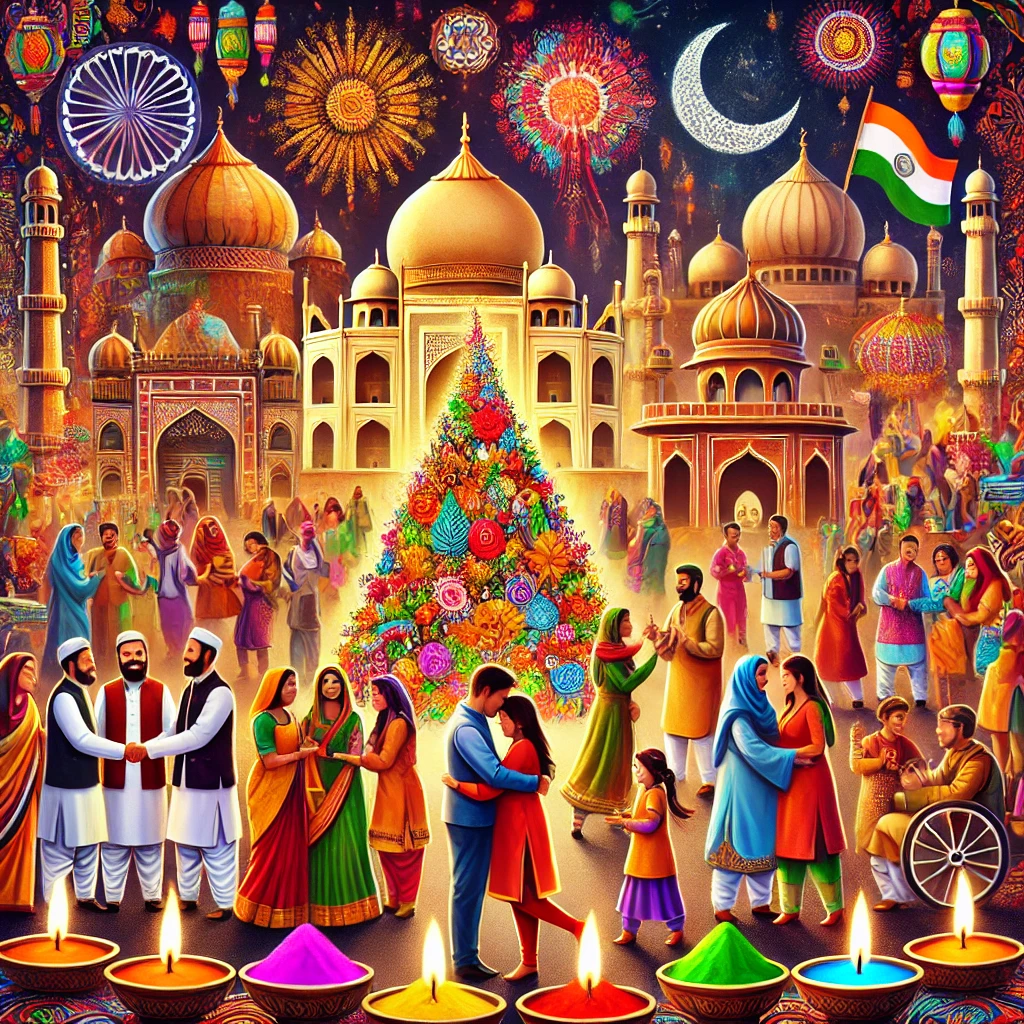
India is often described as the land of festivals, reflecting its cultural diversity, historical depth, and pluralistic ethos. Celebrated across regions, religions, and communities, festivals are occasions for social cohesion, cultural expression, and collective joy. Beyond religious or seasonal significance, they reinforce shared values, strengthen community bonds, and contribute to the social and economic vibrancy of the nation. Festivals thus illustrate the composite culture of India while nurturing love, devotion, and unity in diversity.
Prominent Indian Festivals and Regional Celebrations
India’s festivals may be broadly classified into National Festivals, Religious Festivals, and Regional Festivals.
1. National Festivals
Observed across the country, these festivals commemorate events of national importance:
-
Independence Day (15 August) – Marks India’s freedom from colonial rule.
-
Republic Day (26 January) – Celebrates the adoption of the Constitution.
-
Gandhi Jayanti (2 October) – Birth anniversary of Mahatma Gandhi.
-
Ambedkar Jayanti (14 April) – Commemorates the contribution of Dr. B. R. Ambedkar.
-
Children’s Day (14 November) – Birth anniversary of Jawaharlal Nehru.
2. Religious Festivals
These reflect the diversity of faiths in India and are celebrated across communities:
-
Diwali – Festival of lights, celebrated by Hindus, Sikhs, and Jains.
-
Holi – Festival of colours, marking the arrival of spring.
-
Navratri/Durga Puja – Celebrated widely, especially in Gujarat and West Bengal.
-
Janmashtami – Birth of Lord Krishna.
-
Maha Shivaratri – Worship of Lord Shiva with fasting and prayers.
-
Ganesh Chaturthi – Popular in Maharashtra with grand processions.
-
Raksha Bandhan – Celebrating sibling bonds.
-
Eid-ul-Fitr – Celebrated at the end of Ramadan.
-
Eid-ul-Adha (Bakrid) – Festival of sacrifice.
-
Muharram – Commemorated by Shia Muslims in memory of Imam Hussain.
-
Christmas – Celebrating the birth of Christ.
-
Good Friday and Easter – Observed by Christians with solemnity and joy.
-
Guru Nanak Jayanti – Birth anniversary of Guru Nanak.
-
Baisakhi – Sikh harvest festival and founding of the Khalsa Panth.
-
Mahavir Jayanti – Birth of Lord Mahavira (Jainism).
-
Buddha Purnima – Celebrating the birth of Lord Buddha.
-
Parsis’ Navroz – Zoroastrian New Year.
3. Regional Festivals
(a) Harvest Festivals
-
Pongal (Tamil Nadu) – Thanksgiving to the Sun God.
-
Bihu (Assam) – Celebrated thrice, marking agricultural cycles.
-
Makar Sankranti (Gujarat, Maharashtra, North India) – Known for kite flying and harvest rituals.
-
Lohri (Punjab, Haryana) – Celebrated with bonfires, folk songs, and dances.
-
Chhath Puja (Bihar, Uttar Pradesh, Jharkhand) – Devotion to the Sun God on riverbanks.
-
Nuakhai (Odisha, Chhattisgarh) – Harvest festival of thanksgiving.
-
Vishu (Kerala) – Malayalam New Year linked with agricultural prosperity.
-
Onam (Kerala) – Harvest and cultural festival, symbolising harmony and inclusivity.
(b) Seasonal and New Year Festivals
-
Ugadi (Andhra Pradesh, Telangana, Karnataka) – New Year in the Deccan region.
-
Gudi Padwa (Maharashtra) – Maharashtrian New Year.
-
Baisakhi (Punjab, Haryana) – Both harvest and New Year festival.
-
Losar (Ladakh, Arunachal Pradesh, Himachal Pradesh) – Tibetan New Year.
(c) Tribal and Community Festivals
-
Hornbill Festival (Nagaland) – Celebrating Naga heritage, dance, and crafts.
-
Karma Festival (Jharkhand, Chhattisgarh, Madhya Pradesh) – Tribal festival celebrating nature and harvest.
-
Chapchar Kut (Mizoram) – Spring festival of the Mizo people.
-
Wangala (Meghalaya) – Festival of the Garo tribe, dedicated to the Sun God.
-
Bhagoria (Madhya Pradesh, Maharashtra) – Tribal fair celebrated before Holi.
(d) Cultural and Religious Regional Festivals
-
Rath Yatra (Odisha) – Grand chariot procession of Lord Jagannath.
-
Thaipusam (Tamil Nadu, Kerala) – Dedicated to Lord Murugan.
-
Hemis Festival (Ladakh) – Buddhist festival with masked dances.
-
Mysuru Dasara (Karnataka) – Royal festival with processions and cultural displays.
-
Pushkar Fair (Rajasthan) – Religious and cultural fair with livestock trading.
Impact on Social and Economic Life
Festivals in India create a multifaceted impact that goes beyond rituals and cultural expressions. They influence both the social fabric of communities and the economic activities of the nation.
1. Social Impact
-
Festivals foster community bonding by bringing together people from different backgrounds through shared participation in rituals, cultural events, and feasts.
-
They contribute to the preservation of cultural heritage by sustaining folk dances, music, traditional attire, and local art forms.
-
They promote intergenerational learning, enabling the transmission of customs, values, and stories from elders to younger generations.
-
Nationally celebrated festivals like Diwali, Eid, Christmas, and Holi reinforce unity in diversity by cutting across regional and religious boundaries.
-
In urban spaces, community and institutional celebrations encourage social integration among diverse groups.
-
Several regional festivals, such as Baisakhi in Punjab or Pongal in Tamil Nadu, act as symbols of egalitarian participation, cutting across caste and community lines.
2. Economic Impact
-
Festivals provide a significant boost to retail and consumer spending, with peak sales in electronics, textiles, jewelry, automobiles, and household goods.
-
They generate seasonal employment for artisans, idol-makers, decorators, transporters, performers, and vendors across rural and urban settings.
-
They strengthen the tourism and hospitality sector, attracting domestic and international visitors to major cultural festivals such as Mysuru Dasara, Goa Carnival, and Hornbill Festival.
-
They support traditional art and craft industries, offering livelihoods to handloom weavers, handicraft makers, and folk performers during festive markets.
-
Harvest festivals like Pongal, Makar Sankranti, and Bihu are closely tied to agricultural prosperity, circulating farm produce and stimulating rural markets.
-
The culinary and food industry thrives during festive seasons, with demand for sweets, snacks, and beverages multiplying across regions.
-
The creative and media economy benefits through advertising campaigns, cultural programming, and film releases aligned with festive calendars.
-
Local infrastructure and small businesses experience temporary economic growth as festival preparations increase demand for services such as lighting, decoration, transport, and catering.
Significance of Festivals
-
Cultural Preservation
-
Festivals safeguard and transmit cultural values, traditions, and practices from one generation to another.
-
They serve as living museums of language, art, music, dance, and rituals.
-
-
Social Cohesion
-
Festivals strengthen bonds within families, communities, and societies.
-
They provide opportunities for collective participation, reinforcing the sense of belonging and shared identity.
-
-
Religious and Spiritual Meaning
-
Many festivals are rooted in religious beliefs, serving as occasions for prayer, devotion, and reflection.
-
They allow individuals to reconnect with spiritual practices and reaffirm moral values.
-
-
Economic Vibrancy
-
Festivals stimulate multiple sectors such as tourism, retail, hospitality, agriculture, and handicrafts.
-
Seasonal markets, exhibitions, and fairs create avenues for income generation and employment.
-
-
Inclusivity and Unity in Diversity
-
Festivals transcend social, caste, and community boundaries, promoting the spirit of pluralism.
-
National festivals like Independence Day and Republic Day highlight the shared values of citizenship.
-
-
Educational and Creative Value
-
Festivals create awareness about history, mythology, folklore, and cultural heritage.
-
They foster creativity through performances, decorations, crafts, and culinary traditions.
-
-
Emotional and Psychological Well-being
-
Participation in celebrations provides joy, recreation, and relief from routine stress.
-
They nurture optimism, resilience, and collective pride.
Diversity vs Individuality in Festival Celebrations
1. Significance of Diversity
-
Cultural Cohesion: Festivals across religions and regions strengthen India’s composite culture and nurture peaceful coexistence.
-
Unity in Diversity: Diwali, Eid, Christmas, and Baisakhi celebrated across states reinforce shared values despite differences in rituals.
-
Preservation of Traditions: Regional celebrations such as Pongal (Tamil Nadu), Bihu (Assam), and Hornbill (Nagaland) safeguard local customs and languages.
-
Nation-Building Role: National festivals like Independence Day and Republic Day unite citizens under a common identity, beyond religion or ethnicity.
2. Significance of Individuality
-
Cultural Identity: Local festivals provide platforms for communities to assert distinct traditions, from Ladakh’s Losar to Goa’s Carnival.
-
Personal Expression: Within collective celebrations, individuals showcase creativity — rangoli, pookkalam, folk songs, performances, and festive cuisine.
-
Adaptability: Individualised ways of celebrating (family-specific rituals, home-based traditions, or creative reinterpretations) ensure festivals remain relevant in changing times.
-
Inclusivity: Recognition of individuality allows minority and tribal communities to celebrate their unique practices without being overshadowed by dominant traditions.
Changing Scenarios in Festival Celebrations
1. Urbanisation and Lifestyle Shifts
-
Space and Scale: In cities, celebrations are often restricted to apartments and community halls, replacing the expansive traditional settings of villages.
-
Time Constraints: Busy urban lifestyles have shortened the duration of festivities, sometimes compressing week-long traditions into a day or two.
2. Commercialisation of Festivals
-
Consumerism: Festivals like Diwali, Holi, and Christmas are increasingly associated with shopping festivals, sales, and corporate promotions.
-
Brand Involvement: Businesses invest heavily in advertisements and sponsorships, turning festivals into commercial opportunities.
3. Technological and Digital Influence
-
Virtual Celebrations: Social media platforms and video calls enable people to celebrate with distant family and friends.
-
Digital Campaigns: Online greetings, e-gifting platforms, and live-streaming of rituals have added new dimensions to traditional observances.
4. Environmental Concerns
-
Eco-Friendly Practices: Increasing awareness has led to eco-friendly Ganesh idols, cracker-free Diwali campaigns, and green Holi initiatives.
-
Waste Management: Urban administrations and NGOs now emphasize responsible celebrations to curb pollution and waste.
5. Global Interconnections
-
Cross-Cultural Adaptations: Indian festivals are celebrated by diaspora communities worldwide, often with modifications suited to local contexts.
-
Fusion Celebrations: Elements of global culture (such as Christmas trees in Indian homes or Bollywood-inspired Holi abroad) blend with traditional practices.
6. Decline and Revival of Traditions
-
Decline: Certain folk arts, rural sports, and community rituals are losing prominence due to modern lifestyles.
-
Revival Efforts: State-sponsored festivals (e.g., Kerala’s Onam week, Nagaland’s Hornbill Festival) and tourism initiatives are helping revive and sustain local traditions.
Challenges in Festival Celebrations
1. Commercialisation and Consumerism
-
Many festivals are increasingly driven by market forces, turning them into large-scale shopping seasons.
-
The cultural and spiritual essence often gets overshadowed by aggressive advertising and material display.
2. Environmental Concerns
-
Fireworks and crackers cause severe air and noise pollution.
-
Non-biodegradable materials used in idols, decorations, and packaging contribute to water and land pollution.
-
Loud music systems and DJs, often disconnected from cultural traditions, generate excessive noise, disturbing patients, infants, and the elderly.
-
Wastage of food, overuse of plastics, and poor waste management further add to ecological problems.
3. Cultural Dilution and Decline in Devotion
-
Traditional rituals, folk arts, and community-led practices are increasingly being replaced by uniform, commercialised celebrations.
-
Political and commercial influences often turn festivals into platforms for showmanship rather than devotion.
-
The deeper spiritual and cultural dimensions risk being overshadowed by surface-level spectacle.
4. Social Tensions and Polarisation
-
At times, festivals are misused to create divisions along religious, caste, or political lines.
-
Misrepresentation in media or rhetoric can fuel conflict instead of fostering harmony.
5. Animal Abuse and Cruelty
-
Instances of tying crackers to animals, applying harmful chemicals or colours, and forcing them into processions are reported.
-
Illegal animal sacrifices and unsafe handling practices raise concerns about both animal welfare and law enforcement.
6. Economic Inequalities
-
The rising cost of celebrations excludes marginalised sections of society, creating divides.
-
Families often face financial strain due to pressure to spend beyond their means during festive seasons.
7. Safety and Security Issues
-
Overcrowded gatherings increase risks of accidents and stampedes.
-
Unsafe construction of temporary structures such as stages or pandals creates hazards.
-
Fireworks and crackers often lead to accidents, including burn injuries, eye damage, fires, and fatalities.
8. Dependency on Tourism and Spectacle
-
Overemphasis on showcasing festivals as tourist attractions can reduce them to spectacles rather than authentic cultural expressions.
-
Local communities may feel alienated when traditions are reshaped primarily for external consumption.
Way Forward
1. Balancing Tradition and Modernity
-
Encourage communities to preserve traditional rituals, art forms, and practices while allowing space for innovation and modern cultural expressions.
-
Promote authentic local traditions through schools, cultural centres, and digital platforms.
2. Environmentally Sustainable Practices
-
Encourage eco-friendly celebrations by using biodegradable materials, natural colours, and energy-efficient lighting.
-
Strengthen regulations and awareness campaigns on reducing pollution caused by fireworks, loud music, and non-biodegradable waste.
-
Promote community-led waste segregation and recycling during festivals.
3. Promoting Inclusivity and Social Harmony
-
Use festivals as platforms to reinforce unity, equality, and interfaith dialogue.
-
Support community feasts, cultural exchanges, and inclusive events that cut across caste, class, and religious divides.
-
Recognise and celebrate local diversity while emphasising shared cultural values.
4. Protecting Animals and Promoting Humane Practices
-
Strict enforcement of laws against animal abuse and illegal sacrifices.
-
Public awareness campaigns on compassion and humane treatment of animals during celebrations.
-
Encourage symbolic or alternative practices that avoid cruelty while preserving cultural significance.
5. Strengthening Safety and Security
-
Authorities should ensure crowd management, fire safety, and structural safety of public venues.
-
Promote safe alternatives to hazardous fireworks and awareness of first aid measures.
-
Use technology and local volunteers for efficient monitoring and emergency response.
6. Economic Accessibility and Equitability
-
Promote low-cost, community-based celebrations that reduce the burden on families.
-
Provide platforms for local artisans, craftsmen, and small businesses to benefit from festive markets without being overshadowed by large corporations.
-
Develop micro-credit or cooperative models to support small vendors during festive seasons.
7. Leveraging Festivals for Development
-
Festivals can be integrated with tourism policies, skill development, and local entrepreneurship to generate sustainable livelihoods.
-
Promote cultural tourism while ensuring that local communities remain central beneficiaries.
-
Encourage partnerships between government, private sector, and civil society to make festivals vehicles of inclusive growth.
Case Study: Onam – The Kerala Story
Onam is one of the most iconic festivals of India, representing not only Kerala’s cultural identity but also its deep-rooted ethos of social harmony, inclusivity, and egalitarianism. It has evolved from myth and tradition into a symbol of Kerala’s social and political journey.
1. Historical and Cultural Roots
-
Onam is rooted in the legend of King Mahabali (Maveli), remembered as a just and benevolent ruler under whom Kerala experienced equality and prosperity.
-
Mythology narrates that Mahabali’s reign ended when Vamana, the fifth incarnation of Lord Vishnu, pushed him to the netherworld, though he was granted permission to visit his people once every year.
-
Over time, this myth intertwined with Kerala’s agrarian cycle, marking the end of the southwest monsoon and the beginning of the harvest season.
-
Historical references in Sangam literature (2nd–3rd century CE) mention Onam as a harvest festival, showing that it was celebrated long before Kerala became a modern state.
-
The festival thus blends mythological nostalgia and agrarian traditions, reinforcing ideals of equality, plenty, and shared prosperity.
2. Social and Political Significance
-
Onam transcends barriers of caste, class, and religion, uniting Malayalis across social divides.
-
It resonates with Kerala’s pluralistic and secular ethos, countering divisive tendencies.
-
The festival reflects Kerala’s broader narrative of social reform movements led by leaders like Sree Narayana Guru.
-
Kerala’s achievements in literacy, education, healthcare, and digital literacy align with the inclusive ideals symbolised by Onam.
3. Cultural Expressions and Celebrations
-
Community participation is central — festivities extend beyond homes into public spaces.
-
Traditional practices include:
-
Pookkalam (floral carpets) decorating homes and public spaces.
-
Onam Sadya (grand vegetarian feast) uniting families and communities.
-
Vallamkali (snake-boat races) symbolising teamwork and resilience.
-
Performances of folk arts, songs, and dances that preserve Kerala’s cultural heritage.
-
-
The state-sponsored Onam festival, organised annually by the Tourism Department, showcases classical, folk, and ethnic traditions, drawing both locals and tourists.
4. Economic Dimensions
-
Onam sustains traditional art, craft, and rural sports, offering seasonal livelihoods to artisans and performers.
-
It boosts tourism, with domestic and international visitors attracted to the celebrations.
-
Local businesses, retail trade, and hospitality sectors witness substantial growth during the season.
5. Contemporary Relevance
-
Onam stands as a counter-narrative to attempts at polarisation, reaffirming Kerala’s secular and inclusive identity.
-
It reflects the Kerala model of development, which prioritises inclusivity, welfare, and social justice.
-
The festival continues to be a platform for artistic, literary, and cultural expression, reinforcing Kerala’s progressive spirit.
6. Central Message
-
The essence of Onam lies in its message of social harmony, inclusivity, and egalitarian values, celebrated gracefully by all sections of society.
Conclusion
Festivals in India represent more than ritualistic celebrations; they are living embodiments of the country’s pluralism, cultural richness, and collective spirit. They bridge divides of religion, caste, class, and region, reaffirming the values of harmony, inclusivity, and devotion. At their core, festivals are meant to nurture love, culture, and spirituality — not hatred, division, or revenge. They have long been a source of strength for the social fabric, sustaining traditional practices and enriching economic vitality through tourism, crafts, and community activity.
Yet, in recent times, many religious festivals are losing their essence of devotion and tradition, often being replaced with modern practices that prioritise spectacle over spirituality. Excessive noise, commercialisation, political interference, and unsafe methods of celebration sometimes overshadow the true meaning of festivals. Such negativity not only weakens community harmony but also risks defaming Indian culture in the eyes of the world. Balancing tradition with modern needs, spirituality with sustainability, and individuality with diversity is therefore essential. If celebrated responsibly, festivals will continue to serve as powerful symbols of India’s unity, resilience, and timeless heritage.
Comments
Post a Comment