Honouring Excellence: Civilian and Gallantry Awards in India – History, Significance, and Challenges
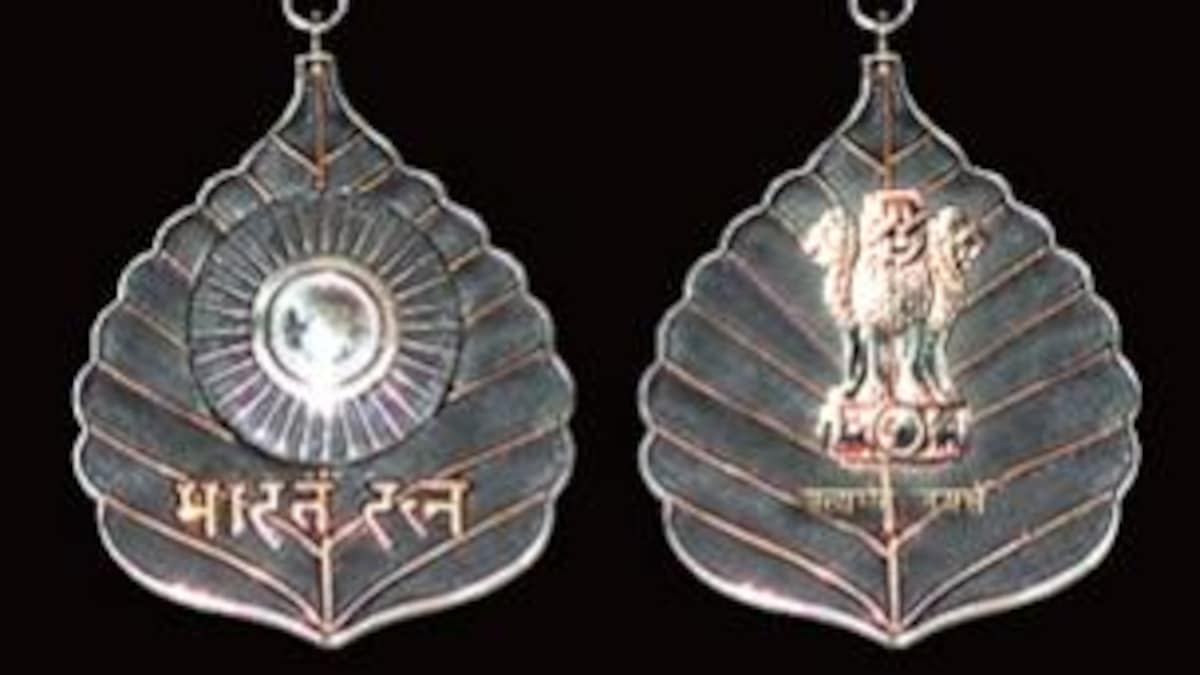
Image Source : indiatoday.in
Introduction
Awards and honours in India represent the nation’s deepest gratitude towards individuals whose actions embody courage, excellence, and dedication. They are not mere formalities, but powerful symbols of the values and ideals the Republic stands for. By recognising exceptional service, acts of bravery, or contributions that uplift society, these awards inspire others to aim higher and serve selflessly.
Every award carries a story — of perseverance, sacrifice, and commitment to the greater good. Some celebrate years of outstanding work in advancing knowledge, art, or social reform, while others are born out of moments of extraordinary courage in the face of grave danger. Recently, on the eve of Independence Day 2025, the President approved 127 gallantry awards and 40 distinguished service awards, honouring personnel who displayed unmatched bravery during operations such as Operation Sindoor. These moments reaffirm the continuing relevance and prestige of national honours.
By acknowledging such exemplary individuals, the system of awards strengthens national morale, preserves the memory of their deeds, and inspires future generations. They stand as living reminders that integrity, courage, and service to the nation are timeless virtues, deserving of the highest recognition India can offer.
History & Types of Awards
History
Pre-Independence Era
Awards in India during British rule followed the imperial honours system.
Key colonial-era awards included:
Indian Order of Merit (IOM) (1837) – highest decoration for native Indian soldiers before the Victoria Cross.
Order of the Star of India (1861) and Order of the Indian Empire (1878) – for services to the Crown.
Order of British India (1837) – for long and faithful service by Viceroy’s Commissioned Officers.
Kaiser-i-Hind Medal (1900) – for public service in health, education, and welfare.
Victoria Cross (VC) – extended to Indian soldiers from 1911, highest gallantry award in the British Empire.
These honours primarily reinforced loyalty to the British Crown and lacked a national character.
- Colonial awards were discontinued after 1947.
-
January 1950 – Institution of three wartime gallantry awards (retrospective from 15 August 1947):
Param Vir Chakra (PVC) – highest military decoration for valour in enemy presence, Maha Vir Chakra (MVC), Vir Chakra (VrC).
1952 – Introduction of peacetime gallantry awards (Ashoka Chakra Class I, II, III), renamed in 1967 as:
Ashoka Chakra, Kirti Chakra, Shaurya Chakra.
January 1954 – Institution of civilian honours:
Bharat Ratna.
Padma Vibhushan, Padma Bhushan, Padma Shri.
-
Over subsequent decades, service-specific medals and leadership decorations were added.
Types of Awards
Civilian Awards – Hierarchy (Highest to Lowest)
-
Bharat Ratna – Exceptional service in any field of human endeavour.
-
Padma Vibhushan – Exceptional and distinguished service.
-
Padma Bhushan – Distinguished service of a high order.
-
Padma Shri – Distinguished service in any field.
(Other sectoral honours exist, e.g., Dadasaheb Phalke Award for cinema, Shanti Swarup Bhatnagar Prize for science.)
Gallantry Awards
Wartime Gallantry (Highest to Lowest)
-
Param Vir Chakra (PVC) – Highest military decoration for valour in the presence of the enemy.
-
Maha Vir Chakra (MVC) – Second-highest wartime gallantry award.
-
Vir Chakra (VrC) – Third in wartime gallantry hierarchy.
Peacetime Gallantry (Highest to Lowest)
-
Ashoka Chakra – Highest peacetime gallantry award.
-
Kirti Chakra – Second-highest peacetime gallantry award.
-
Shaurya Chakra – Third-highest peacetime gallantry award.
Service-Specific Gallantry Awards
-
Sena Medal (Army), Nao Sena Medal (Navy), Vayu Sena Medal (Air Force).
Leadership & Distinguished Service Awards
-
Sarvottam Yudh Seva Medal, Uttam Yudh Seva Medal, Yudh Seva Medal – for exceptional leadership and operational excellence.
Special Forces & Police Decorations
-
Tatrakshak Medal (Coast Guard).
-
President’s Police Medal (Distinguished Service).
-
Police Medal (Gallantry/Meritorious Service).
Award Recommendation and Approval Process
The process of awarding civilian and gallantry honours in India involves multiple layers of scrutiny to ensure fairness, merit, and adherence to established criteria. The procedure varies slightly between civilian and gallantry awards but follows a broad institutional framework:
1. Civilian Awards (Bharat Ratna, Padma Awards, etc.)
-
Nominations can be submitted by state/UT governments, central ministries, previous awardees, Members of Parliament, governors, chief ministers, and even the general public through the online portal.
-
Initial Scrutiny is carried out by the Padma Awards Cell in the Ministry of Home Affairs (MHA), which compiles a list of eligible candidates.
-
Padma Awards Committee — constituted annually by the Prime Minister — includes the Cabinet Secretary, Home Secretary, Secretary to the President, and other eminent personalities from various fields.
-
Committee Deliberations focus on evaluating achievements, impact, integrity, and national service. Recommendations are sent to the Prime Minister and the President of India for approval.
-
Final Announcement of names is made on the eve of Republic Day.
2. Gallantry Awards (Wartime & Peacetime)
-
Initiation of Recommendation:
-
For military personnel, proposals originate from the unit level and move upward through the chain of command.
-
For civilians in peacetime gallantry, state governments or ministries submit recommendations.
-
-
Service Headquarters Screening: The respective service headquarters — Army, Navy, or Air Force — scrutinises nominations for gallantry awards.
-
Defence Ministry Processing: Recommendations are vetted by the Ministry of Defence (MoD) for conformity with guidelines and to assess the act’s significance.
-
Awards Committee: Includes the Defence Secretary, Chiefs of Staff Committee, and senior MoD officials who examine the merit of each recommendation.
-
Presidential Approval: Final recommendations are submitted to the President of India, who is the supreme authority for gallantry awards.
-
Public Declaration: Names are announced on Republic Day (for most awards) and Independence Day (for certain gallantry categories).
3. Special Committees for Exceptional Cases
-
In cases of extraordinary bravery or controversial recommendations, ad-hoc committees may be formed with subject-matter experts, senior defence officers, and representatives from relevant ministries.
-
These bodies ensure transparency, avoid political or institutional bias, and maintain the sanctity of the awards.
Legal & Judicial Framework Governing National Awards
1. Constitutional Provisions
-
Article 18(1) – Prohibits the State from conferring titles, except military or academic distinctions.
-
Supreme Court interpretation – National awards like Bharat Ratna and Padma series are not considered “titles” under Article 18(1).
-
Article 53 – Executive power of the Union vests in the President, under whose name all national honours are conferred.
-
Article 74 – President acts on the aid and advice of the Council of Ministers, including in matters of award approvals.
-
Article 77 – All executive actions of the Government of India are taken in the President’s name, including formal conferment of awards.
2. Legal Instruments & Executive Orders
a) Presidential Notifications & Executive Orders
-
Constitutional Authority
-
Awards are instituted and regulated under the President’s powers as per Articles 53 and 77 of the Constitution, enabling issuance of notifications or warrants on the aid and advice of the Council of Ministers.
-
-
Institution & Amendments
-
Civilian honours such as the Bharat Ratna and Padma Awards were formally instituted through Presidential Notifications in January 1954.
-
The 1955 amendment expanded eligibility to all persons irrespective of nationality, effected through updated notifications.
-
-
Guidelines & Procedures
-
The Ministry of Home Affairs (MHA) frames operational guidelines for civilian awards, covering eligibility conditions, nomination formats, and timelines.
-
The Ministry of Defence (MoD) issues procedural rules for gallantry awards, distinguishing between wartime and peacetime recognition.
-
-
Posthumous Recognition
-
Notifications also specify conditions under which awards may be conferred posthumously, ensuring recognition for acts of service or bravery after the recipient’s death.
-
-
Privileges & Restrictions
-
Recipients may indicate the honour in formal records, but Article 18 of the Constitution prohibits its use as a prefix or suffix to names.
-
Ceremonial precedence and protocol positions for awardees are detailed in executive orders.
-
b) Statutory Rules & Related Acts
-
Param Vir Chakra Regulations, 1949 – under Section 21 of the Army Act, 1950.
-
Ashoka Chakra Regulations, 1952 – under the Army Act, 1950, Navy Act, 1957, and Air Force Act, 1950.
-
Police Medals – under Police Act, 1861 and MHA executive orders.
-
Gallantry Award Rules – under Defence Acts for eligibility, forfeiture, and restoration.
-
Peacetime Service Medals – under CRPF Act, 1949, BSF Act, 1968, and other paramilitary laws.
c) Government Guidelines & Administrative Framework
-
MHA is the nodal ministry for civilian, gallantry, and police awards.
-
Guidelines include:
-
Nomination process (open to states, ministries, and public).
-
Multi-level screening committees before final approval by the Prime Minister and President.
-
Forfeiture conditions for serious offences.
-
d) Forfeiture & Restoration Provisions
-
Awards may be forfeited if the recipient is convicted of a criminal offence or dismissed from service for misconduct.
-
The President has discretionary power to restore forfeited awards.
3. Key Supreme Court Judgments
a) Balaji Raghavan v. Union of India (1996)
-
Issue: Whether Bharat Ratna and Padma awards violate Article 18(1).
-
Ruling: Not “titles” as prohibited under Article 18 — awards are for exceptional service, cannot be hereditary, and cannot be used as prefixes/suffixes.
-
Impact: Awards must be conferred sparingly; misuse can lead to forfeiture.
b) Pratap Singh v. State of Punjab (1964)
-
Clarified that Article 18 bans only hereditary or honorific titles creating class distinctions; recognition of merit is allowed.
c) Indira Jaising v. Supreme Court of India (2017)
-
Although about “Senior Advocate” designation, reinforced the need for transparent criteria — principle later applied to award selection debates.
d) Forfeiture Cases & Judicial Endorsement
-
SC upheld government’s power to withdraw awards after conviction of recipients.
-
Example: Withdrawal of certain police medals post-conviction upheld under service rules.
e) Core Constitutional Principle
-
Awards are honours, not rights.
-
Cannot override fundamental rights.
-
Cannot be claimed as a matter of entitlement.
4. Enforcement & Restrictions
-
Misuse of awards (e.g., in official stationery, election material) may lead to forfeiture.
-
Forfeiture is rare but permitted under rules for serious offences or misconduct.
Important Awardees
Civilian and gallantry awards in India have been conferred upon individuals from diverse fields—arts, literature, public service, science, sports, and acts of bravery. Below is an illustrative list of notable recipients:
1. Bharat Ratna Recipients
India’s highest civilian honour, awarded for exceptional service in any field of human endeavour.
-
Dr. Sarvepalli Radhakrishnan – Philosopher, statesman, and second President of India.
-
Mother Teresa – Humanitarian and Nobel Peace Prize laureate.
-
Sachin Tendulkar – Legendary cricketer.
-
Atal Bihari Vajpayee – Former Prime Minister.
-
Lata Mangeshkar – Legendary playback singer.
-
M. S. Swaminathan (2024) – Agricultural scientist, father of India’s Green Revolution.
-
Karpoori Thakur (2024) – Former Chief Minister of Bihar, noted for social justice initiatives.
2. Padma Award Recipients (Padma Vibhushan, Padma Bhushan, Padma Shri)
Recognise achievements in various fields, conferred annually on Republic Day.
-
Raghunath Mohapatra – Master sculptor (Padma Vibhushan).
-
Mary Kom – Boxer (Padma Vibhushan).
-
Ramoji Rao – Media baron (Padma Vibhushan).
-
Shankar Mahadevan (2024) – Music composer (Padma Bhushan).
-
Deepa Malik – Paralympian (Padma Shri).
-
M. S. Dhoni – Cricketer (Padma Bhushan).
-
Ratan Tata – Industrialist (Padma Vibhushan, Padma Bhushan).
3. Gallantry Award Recipients
Honour acts of valour, self-sacrifice, and bravery in wartime and peacetime.
-
Major Somnath Sharma (PVC) – First recipient of the Param Vir Chakra, posthumously, 1947.
-
Captain Vikram Batra (PVC) – Kargil War hero, 1999.
-
Subedar Major Sanjay Kumar (PVC) – Kargil War hero, 1999.
-
Neerja Bhanot (AC) – Flight purser who sacrificed her life to save passengers during a hijack, 1987.
-
Major Sandeep Unnikrishnan (AC) – 26/11 Mumbai attacks martyr.
-
Col. Santosh Babu (MVC) – Galwan Valley clash, 2020.
-
Rifleman Aurangzeb (SC) – Killed by militants in J&K, 2018.
Latest Awardees (2024–2025)
Bharat Ratna (2024)
In 2024, the Government of India conferred the Bharat Ratna, the nation's highest civilian award, upon five distinguished individuals for their exceptional contributions to various fields:
-
Lal Krishna Advani – Veteran political leader and former Deputy Prime Minister.
-
P. V. Narasimha Rao (posthumous) – Former Prime Minister, noted for economic liberalisation.
-
Chaudhary Charan Singh (posthumous) – Former Prime Minister, champion of farmers’ rights.
-
Karpuri Thakur (posthumous) – Former Bihar Chief Minister, advocate for social justice.
-
M. S. Swaminathan (posthumous) – Agricultural scientist, known as the Father of India’s Green Revolution.
Padma Awards (2025)
The Padma Awards 2025, were announced on the eve of Republic Day. A total of 139 awards were conferred, comprising:
-
7 Padma Vibhushan – for exceptional and distinguished service
-
19 Padma Bhushan – for distinguished service of high order
-
113 Padma Shri – for distinguished service in any field
Among the 139 awardees:
-
23 are women
-
10 are from the category of Foreigners/NRI/PIO/OCI
-
13 are posthumous awardees
Padma Vibhushan 2025 Recipients:
-
Shri Duvvur Nageshwar Reddy – Medicine, Telangana
-
Justice (Retd.) Shri Jagdish Singh Khehar – Public Affairs, Chandigarh
-
Smt. Kumudini Rajnikant Lakhia – Art, Gujarat
-
Shri Lakshminarayana Subramaniam – Art, Karnataka
-
Shri M. T. Vasudevan Nair (Posthumous) – Literature and Education, Kerala
-
Shri Osamu Suzuki (Posthumous) – Trade and Industry, Japan
-
Smt. Sharda Sinha (Posthumous) – Art
These individuals have been honoured for their exceptional contributions and service in their respective fields, exemplifying excellence and dedication.
Gallantry Awards ( 2025)
On the eve of Independence Day 2025, the President of India approved a series of gallantry awards to honour members of the Armed Forces and Central Armed Police Forces (CAPFs) for exceptional courage and distinguished service.
Wartime Gallantry Awards
-
Vir Chakra (15 recipients – Operation Sindoor)
Indian Air Force (9 Officers):
-
Group Captain Ranjeet Singh Sidhu
-
Group Captain Manish Arora
-
Group Captain Animesh Patni
-
Group Captain Kunal Kalra
-
Wing Commander Joy Chandra
-
Squadron Leader Sarthak Kumar
-
Squadron Leader Siddhant Singh
-
Squadron Leader Rizwan Malik
-
Flight Lieutenant Aarshveer Singh Thakur
Indian Army (4 Personnel):
-
Colonel Koshank Lamba (302 Medium Regiment)
-
Lieutenant Colonel Sushil Bisht (1988 Medium Battery)
-
Naib Subedar Satish Kumar (4 Dogra)
-
Rifleman Sunil Kumar (4 Jammu & Kashmir Light Infantry)
Border Security Force (2 Personnel, Posthumous):
-
-
Sub-Inspector Mohd Imteyaj
-
Constable Deepak Chingakham
Peacetime Gallantry Awards
-
Kirti Chakra (4 recipients)
-
Shaurya Chakra: 16 recipients
-
Bar to Sena Medal (Gallantry): 2 recipients
-
Sena Medal (Gallantry): 58 recipients
-
Nao Sena Medal (Gallantry): 9 recipients
-
Vayu Sena Medal (Gallantry): 23 recipients
Additional Recognition
-
Mention-in-Despatches: 290 personnel were recognized for peacetime or operational service, highlighting acts of bravery and dedication.
Significance of Awards
National awards, both civilian and gallantry, carry profound symbolic, social, and motivational significance for the country:
-
Recognition of Exceptional Service:
Awards formally acknowledge individuals who have demonstrated extraordinary contributions, courage, or dedication, setting benchmarks in their respective fields. -
Inspiration for Society:
Honourees serve as role models, inspiring citizens to pursue excellence in arts, science, governance, social work, and defence. Their achievements motivate others to contribute meaningfully to society and the nation. -
Promotion of National Pride:
Gallantry awards, in particular, celebrate bravery in defence of the nation, reinforcing public trust and pride in the Armed Forces and security personnel. Civilian awards highlight India’s rich intellectual, cultural, and scientific heritage. -
Encouragement for Ethical and Professional Standards:
Awards underscore the values of integrity, perseverance, and service above self, encouraging individuals to uphold high standards in public, professional, and social life. -
Documentation of History and Legacy:
Awardees’ contributions are archived as part of the nation’s historical record, preserving stories of heroism, innovation, and social impact for future generations. -
Inclusive Recognition:
Both civilian and gallantry awards are open to citizens from all regions, genders, and communities, including NRIs and posthumous recipients, reflecting the democratic ethos of India. -
Strengthening Institutional Morale:
For the Armed Forces, police, and civil services, awards boost morale, motivation, and esprit de corps, reinforcing the importance of courage, discipline, and dedication in service roles. -
Global Visibility and Diplomacy:
Awards conferred on foreign nationals or NRIs help strengthen international ties and showcase India’s appreciation of global contributions aligned with its values.
In essence, awards act as both symbols and instruments of recognition, blending personal honour with national identity, social inspiration, and historical documentation.
Challenges in the Awards System
Despite their prestige, India’s civilian and gallantry awards face several challenges that can affect their credibility, fairness, and impact:
-
Subjectivity in Selection:
The nomination and selection process, especially for civilian awards, often involves subjective evaluation. This can lead to perceived biases or favoritism, particularly when political or personal considerations are suspected. -
Lack of Transparency:
While guidelines exist, the criteria for final selection and rejection are not always publicly detailed, leading to questions about transparency and consistency. -
Delayed Recognition:
Some awardees receive honours long after their contributions, which can reduce the immediacy of recognition and impact on morale. -
Forfeiture and Misuse Issues:
Although provisions exist for forfeiture of awards in cases of misconduct, enforcement is sporadic, and instances of recipients misusing their award status have been reported. -
Underrepresentation:
Certain fields, communities, or regions may be underrepresented, particularly grassroots social workers, women, and marginalized groups, despite their significant contributions. -
Operational Challenges in Gallantry Awards:
In armed forces and CAPFs, documentation of bravery and operational details may be incomplete due to the sensitive nature of missions, leading to delays or under-recognition. -
Public Perception and Credibility:
When awards are perceived as politically influenced or arbitrary, public trust and the symbolic value of awards can diminish. -
Balancing Quantity and Quality:
Striking a balance between recognizing a large number of individuals and ensuring that awards remain truly exceptional is an ongoing challenge.
Addressing these challenges is crucial to maintaining the integrity, prestige, and motivational impact of India’s awards system, ensuring that honours remain a symbol of genuine merit and service.
Way Forward
To enhance the credibility, effectiveness, and impact of India’s civilian and gallantry awards, several measures can be considered:
-
Enhance Transparency in Selection:
Clearly publish selection criteria, evaluation parameters, and shortlisting procedures for both civilian and gallantry awards to reduce perceptions of bias and increase public trust. -
Strengthen Screening Committees:
Ensure committees include diverse experts and independent members from multiple sectors to evaluate nominations objectively, balancing professional expertise with regional and gender representation. -
Timely Recognition:
Expedite the award process so that contributions, especially acts of gallantry or exceptional service, are recognized close to the time of achievement, preserving the impact and morale boost for awardees. -
Promote Inclusivity:
Actively identify and nominate individuals from marginalized communities, grassroots social workers, women, and remote regions, ensuring awards reflect the full spectrum of India’s talent and service. -
Regular Review and Monitoring:
Introduce periodic audits of award processes, including forfeiture cases, to maintain accountability and prevent misuse. -
Public Awareness and Engagement:
Launch initiatives to highlight awardees’ stories, making citizens aware of exemplary service, bravery, and innovation, which can inspire younger generations. -
Leverage Technology:
Implement a digital portal for nominations and tracking, allowing citizens to recommend candidates and monitor the progress of submissions, ensuring transparency and efficiency. -
International Recognition:
For awards to foreign nationals or NRIs, develop a structured evaluation framework to strengthen diplomatic ties while maintaining the integrity of the honours system. -
Documentation and Archival:
Maintain a comprehensive national repository of awardees, their achievements, and citations, serving both as historical record and educational resource.
These measures can help India’s awards system remain credible, prestigious, and motivating, honoring true excellence while inspiring future generations of citizens and service personnel.
Conclusion
India’s national awards—civilian and gallantry—honour exceptional courage, service, and achievement, inspiring citizens and fostering national pride. Gallantry awards highlight the sacrifices of defenders, while civilian awards celebrate contributions in arts, science, public service, and social work.
As Mahatma Gandhi said, “The best way to find yourself is to lose yourself in the service of others.” These awards embody that principle, recognising individuals who dedicate themselves to the nation.
Compared to other countries, India’s awards system also recognises foreign nationals and NRIs, strengthening international goodwill while honouring global contributions aligned with India’s values.
Despite challenges like transparency and inclusivity, ongoing reforms can ensure that the awards remain credible, prestigious, and motivating, symbolising India’s gratitude and values.
Comments
Post a Comment