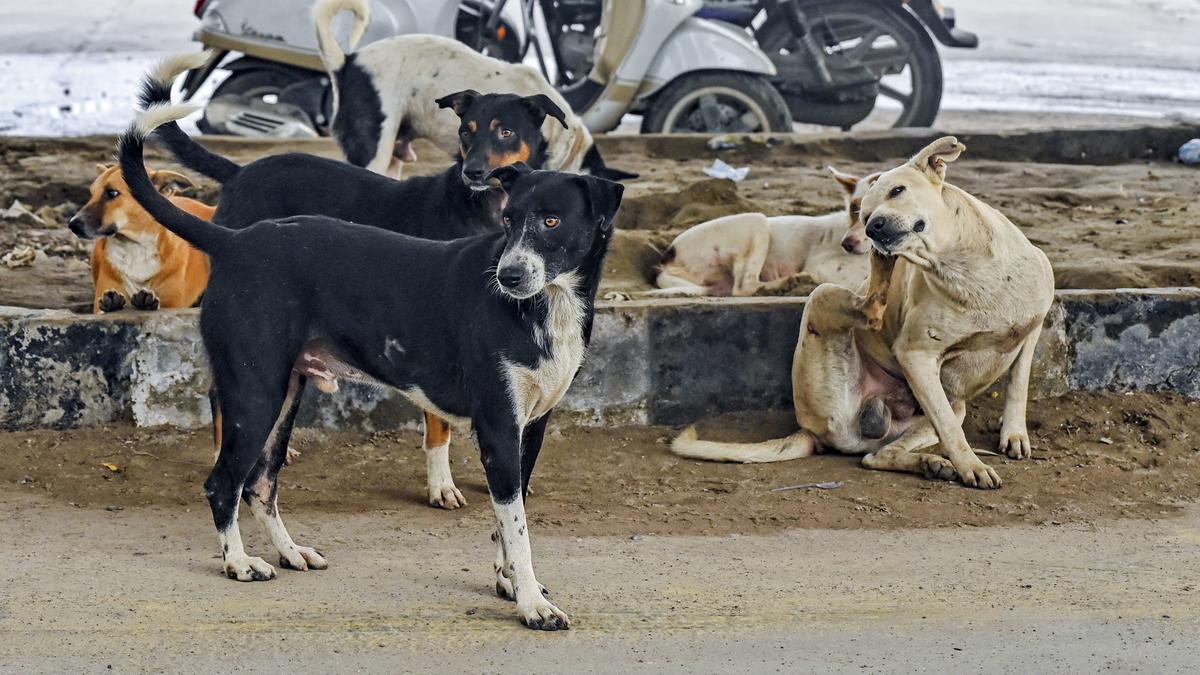
Case Study on Stray Dogs
In recent months, several cities across India have reported a steep rise in dog attacks, including incidents where children and the elderly were seriously injured. Public anger has been mounting, with demands for strict action such as culling stray dogs or banning certain aggressive breeds.
On the other hand, animal rights activists and pet lovers strongly oppose such blanket measures, arguing that dogs are living beings protected under the Prevention of Cruelty to Animals Act, 1960, and that indiscriminate actions would be unethical as well as legally questionable.
Municipal authorities are caught in a dilemma:
-
Public safety requires urgent solutions to prevent further attacks.
-
Animal rights groups argue for sterilisation drives, vaccination, and better shelter facilities rather than culling.
-
Pet owners claim that the problem lies mostly with stray dogs, not domesticated pets.
-
Legal frameworks impose restrictions on arbitrary killing of animals, but the lack of effective implementation of sterilisation and vaccination programmes has worsened the crisis.
You are the District Magistrate of a city facing these tensions.
Questions:
-
Identify the ethical issues involved in this situation.
-
As the District Magistrate, what principles of public administration and ethics would guide your decision-making?
-
Suggest a balanced course of action that addresses public safety while respecting animal rights.
-
Which stakeholders should be involved in the solution, and how would you manage their conflicting interests?
(Answer in 250 words)
Introduction
In recent months, rising dog attacks in Indian cities have posed a dilemma for administrators: ensuring public safety while upholding animal rights under law. A balanced ethical response is needed.1. Ethical Issues Involved
-
Right to Life vs. Animal Rights – Citizens’ safety (Article 21) vs. duty to prevent cruelty under Prevention of Cruelty to Animals Act, 1960.
-
Utilitarian vs. Deontological Ethics – Greatest good (public safety) vs. duty to protect animal life.
-
Justice and Fairness – Avoiding arbitrary targeting of strays or breeds.
-
State’s Moral Responsibility – Humane but effective implementation of law.
2. Guiding Principles of Public Administration and Ethics
As District Magistrate, I would be guided by:-
Constitutional Morality & Rule of Law – Acting within law and compassion.
-
Integrity & Accountability – Transparent, fair decisions.
-
Objectivity – Evidence-based actions.
-
Empathy & Emotional Intelligence – Respecting citizens’ fears and animals’ dignity.
-
Prudence & Responsiveness – Timely yet sustainable measures.
3. Balanced Course of Action
-
Immediate: Rapid response teams, helplines, medical aid.
-
Medium Term: Sterilisation and anti-rabies vaccination (ABC Programme), strict pet registration, penalties for abandonment, clean feeding zones to prevent harassment of feeders.
-
Long Term: Establish shelters, run awareness campaigns, and promote adoption of stray dogs over foreign breeds.
-
Legal Clarity: Euthanasia only in extreme cases under veterinary advice.
4. Stakeholder Management
-
Municipal bodies – dog-catching squads, sterilisation, and vaccination drives.
-
Animal rights NGOs – support adoption drives, awareness, humane stray management.
-
Resident Welfare Associations (RWAs) – educate residents on safe practices and responsible ownership.
-
Animal feeders – feed in designated zones to reduce street conflicts.
-
Veterinarians – treat or isolate rabid/aggressive dogs.
-
Police & administration – act quickly on complaints, prevent cruelty.
Conclusion
A compassionate, lawful, and participatory strategy that includes stray dog adoption ensures public safety while protecting animal dignity, reflecting ethical governance.
Additional Information
1. Constitutional and Legal Framework
-
Article 21 – Protects Right to Life of citizens, which includes safety from animal attacks, but also interpreted by courts to extend dignity to animals.
-
Article 48A – Directive for the State to protect environment, forests, and wildlife.
-
Article 51A(g) – Fundamental duty of citizens to show compassion to all living creatures.
-
Prevention of Cruelty to Animals Act, 1960 – Core legal framework prohibiting unnecessary suffering.
-
Animal Birth Control (ABC) Rules, 2001 & 2023 – Sterilisation and vaccination mandated; prohibits mass killing except for rabid/aggressive cases.
-
IPC Sections 428 & 429 – Punishment for killing/maiming animals.
-
Municipal Laws – Provide for pet registration, stray management, and waste disposal.
2. Judicial Pronouncements on Stray Dog Menace
-
Animal Welfare Board of India vs. A. Nagaraja (2014) – SC upheld compassion as a constitutional value.
-
SC (2015–16) – Stayed mass culling of dogs; directed enforcement of ABC Rules.
-
Karnataka HC (2019) – Ordered sterilisation facilities and shelters.
-
Kerala HC (2015) – Permitted killing of dangerous dogs, but SC stayed the order.
-
Delhi HC (2021) – Allowed feeding of community dogs in designated areas to balance interests.
3. Merits and Demerits of Complete Ban on Stray Dogs
Merits:
-
Immediate reduction in attacks.
-
May reassure fearful communities.
-
Temporary decline in rabies.
Demerits:
-
Violates Prevention of Cruelty to Animals Act and constitutional duties.
-
“Vacuum effect”: new dogs migrate if old ones are removed.
-
Ecological imbalance (rodents, waste).
-
Legal backlash and international criticism.
-
Not sustainable without sterilisation.
Conclusion: Culling/ban is short-term and illegal; sterilisation, vaccination, and adoption are sustainable.
4. Best Global Practices
-
Turkey – Vaccination + sterilisation + feeding stations.
-
Romania – Nationwide sterilisation and microchipping.
-
Bhutan – Partnered with NGOs for humane sterilisation/rabies control.
-
Sri Lanka – Mass sterilisation + rabies eradication.
-
EU – Strong pet registration, control of breeders, and promotion of adoption.
Lesson for India: Humane control, waste management, adoption, and regulation of breeders.
5. Way Forward
-
Strengthen ABC Programme – Scale-up sterilisation and vaccination with proper funding.
-
Integrated Waste Management – Reduce stray congregation around garbage.
-
Promote Adoption of Indian Dogs – Awareness campaigns and municipal incentives for families adopting strays.
-
Ban Illegal Breeders of Foreign Breeds – Crack down on unregulated commercial breeding that fuels demand for foreign, sometimes aggressive, breeds; encourage preference for native breeds.
-
Designated Feeding Zones – Prevent conflicts between feeders and residents while ensuring dogs’ welfare.
-
Community & School Awareness – Training in safe behaviour around dogs; empathy-building in children.
-
Strict Pet Regulations – Enforce registration, microchipping, and penalties for abandonment.
-
Public Health Linkages – Integrate dog control with anti-rabies campaigns under SDG 3 (Good Health).
-
NGO Collaboration – Use their expertise in humane control, shelters, and adoption drives.
-
Accountability – Regular progress reports by municipalities to maintain trust.
Comments
Post a Comment