Introduction
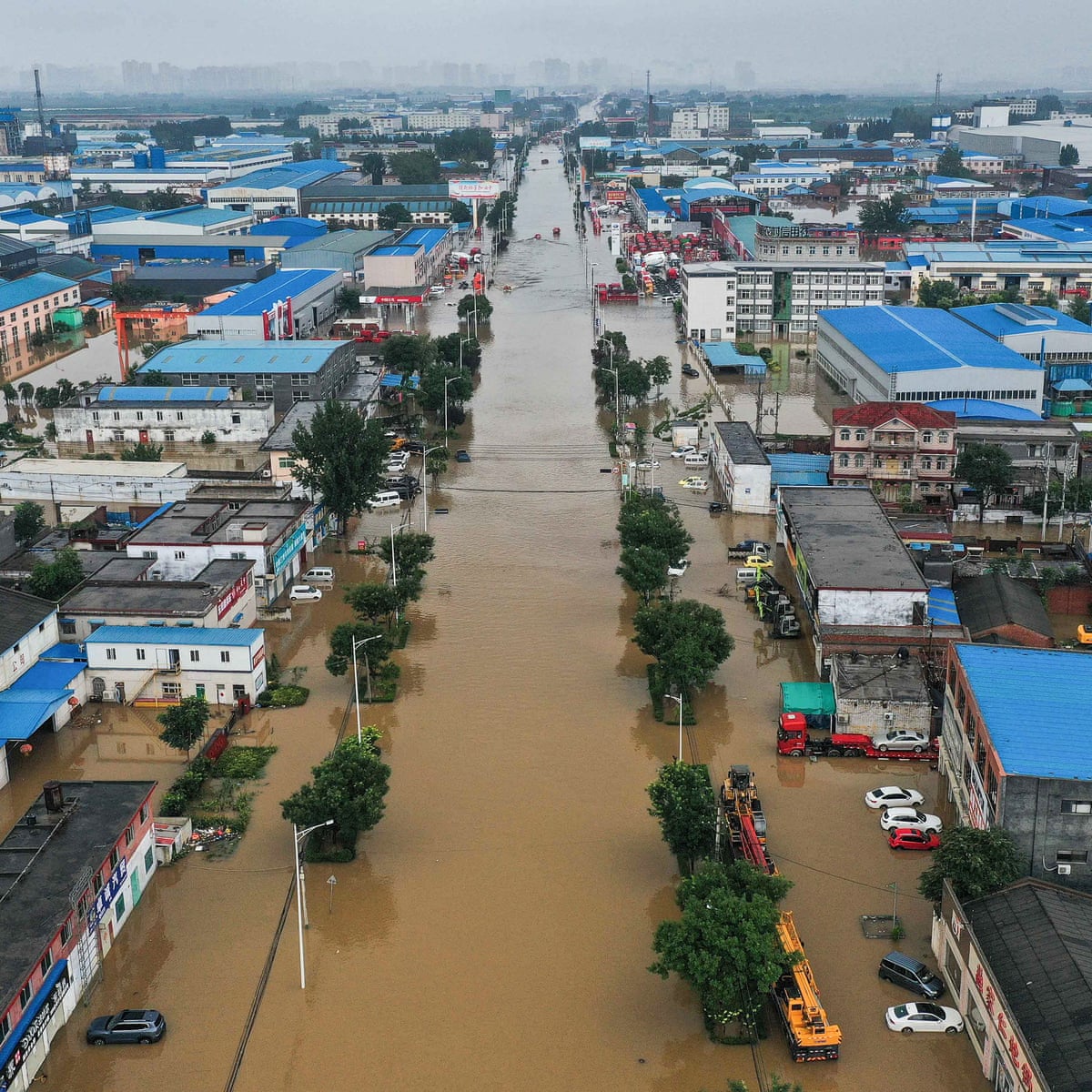
Urban flooding refers to the inundation of land and infrastructure in densely populated areas due to excessive rainfall overwhelming the drainage capacity. It differs from rural flooding in speed, intensity, and impact, often leading to major disruptions in daily life, infrastructure, and health systems. Even cities with moderate rainfall like Gurgaon (Gurugram) face severe flooding due to unscientific planning and neglect of natural drainage. The rising frequency and intensity of such incidents across Indian cities call for urgent reforms in policy, planning, and infrastructure to ensure urban resilience.
Body
I. Causes of Urban Flooding
-
Unscientific Urban Expansion
-
In cities like Gurgaon, rapid real estate-driven development ignored the natural slopes of the Aravalli range and disrupted historical drainage patterns.
-
Roads and concrete structures were built without accounting for the natural flow of water, leading to water stagnation in low-lying areas.
-
-
Encroachment on Natural Drains and Water Bodies
-
Urbanization has led to widespread construction over rivers, lakes, and floodplains, reducing the area available for water absorption and flow.
-
Natural drains that evolved over centuries have been narrowed or blocked due to human settlements and infrastructure.
-
-
Under-designed and Poorly Maintained Drainage Systems
-
Most stormwater systems were designed for rainfall intensities of just 12–20 mm/hour. Today’s rainfall events, especially during monsoons, far exceed this threshold.
-
Poor maintenance, clogging due to solid waste and silt, and insufficient capacity worsen urban flooding.
-
-
Excessive Use of Concrete Surfaces
-
The replacement of natural soil with concrete and asphalt surfaces prevents water infiltration into the ground.
-
This leads to higher surface runoff and overwhelms the existing drainage infrastructure.
-
-
Fragmented and Piecemeal Urban Planning
-
Infrastructure is often built without a coordinated master plan, especially in rapidly growing cities like Gurgaon.
-
Irregular layouts, uneven gradients, and the absence of interconnected drainage networks exacerbate flooding.
-
-
Climate Change and Urban Heat Island Effect
-
Climate change is increasing the frequency of high-intensity rainfall in short periods.
-
Urban heat islands contribute to localized heavy rainfall events. Coastal cities also face risks from storm surges and rising sea levels.
-
II. Effects of Urban Flooding
-
Disruption of Daily Life: Inundated roads, traffic gridlocks, and shutdowns of essential services.
-
Loss of Lives and Property: Fatalities due to drowning, electrocution, and extensive damage to public and private assets.
-
Health Hazards: Waterlogging breeds vector-borne diseases and causes contamination of drinking water sources.
-
Economic Consequences: Damaged infrastructure, business disruptions, and increased insurance costs.
-
Environmental Impact: Overflowing drains pollute rivers and lakes; green spaces are eroded or destroyed.
III. Government Initiatives
Urban flood management is primarily the responsibility of State Governments and Urban Local Bodies (ULBs). However, the Central Government has provided significant support in terms of policy, funding, and technical guidance.
1. Financial Support through Finance Commission
-
₹2,500 crore allocated under NDMF for urban flood mitigation in 7 major cities.
-
₹500 crore each to Mumbai, Chennai, Kolkata.
-
₹250 crore each to Bengaluru, Hyderabad, Ahmedabad, Pune.
-
-
Chennai Basin project approved with ₹561.29 crore allocation.
2. NDMA Guidelines (2010)
-
Treats urban flooding as a distinct disaster.
-
Recommends multi-sectoral, failsafe, and participatory flood management frameworks.
3. MoHUA Guidelines and SOPs
-
URDPFI Guidelines (2014): Align urban plans with flood-resilience strategies.
-
Model Building Bye-Laws (2016): Make rainwater harvesting mandatory for plots over 100 sq.m.
-
SOPs for Urban Flooding (2017): Lay down clear responsibilities for all levels of administration.
-
Manual on Storm Water Drainage Systems (2019): Provides technical guidelines for effective stormwater management.
4. AMRUT and AMRUT 2.0 Initiatives
-
₹2,969 crore (4% of total) allocated for stormwater drainage under AMRUT.
-
750 projects completed, eliminating 3,445 waterlogging points in 19 States/UTs.
-
AMRUT 2.0 focuses on rejuvenation of water bodies and rainwater harvesting.
IV. Way Forward / Solutions
A. Infrastructure and Engineering Solutions
-
Upgrade and redesign stormwater systems to handle current rainfall intensities.
-
Implement green infrastructure (bioswales, soak pits, French drains).
-
Align road slopes and construction with natural topography.
B. Urban Planning Reforms
-
Strictly enforce zoning and building regulations to prevent encroachment.
-
Conduct city-wide hazard mapping and integrate it into master plans.
C. Community Awareness and Preparedness
-
Promote community-based early warning systems and emergency kits.
-
Conduct flood awareness drives and ensure citizen participation in resilience efforts.
🔹 Global Best Practices in Urban Flood Management
Countries across the world have adopted innovative, nature-based, and technological solutions to manage urban flooding. India can adapt and localize these practices:
-
The Netherlands – "Room for the River" Project
-
Allocates designated land areas to allow rivers to safely overflow.
-
Helps reduce flood peaks by managing river discharge holistically.
-
Focuses on basin-level integrated watershed management.
-
China – Sponge City Concept (e.g., Shanghai)
-
Uses permeable pavements, green roofs, bio-swales, and urban wetlands.
-
Enhances rainwater absorption, reduces surface runoff, and improves groundwater recharge.
-
Mumbai has started piloting this model to build flood resilience.
-
Singapore – Smart Water Assessment Network (SWAN)
-
Real-time water level monitoring through remote sensors.
-
Issues automated flood alerts via SMS to residents.
-
Aims to ensure quick public response and disaster preparedness.
-
India (Inspired by Ahmedabad’s Heat Action Plan)
-
Cities can develop community-based early warning systems and awareness campaigns.
-
Enhances local preparedness and response during heavy rainfall events.
-
Bengaluru – Jakkur Lake Restoration
-
Showcases how eco-restoration of water bodies can enhance urban flood resilience.
-
Increases natural water retention and reduces the impact of flash floods.
-
Conclusion
Urban flooding is a man-made crisis arising from a lack of foresight, unregulated development, and a disconnect from nature. Cities like Gurgaon show that even moderate rainfall can cripple urban life if ecological wisdom and planning discipline are ignored. Tackling this challenge requires a multi-pronged approach — robust infrastructure, sustainable urban planning, community involvement, and a climate-resilient mindset. With the right implementation, Indian cities can move from being flood-prone to flood-resilient.
Comments
Post a Comment